 Space Hub
CE-20 Cryogenic Engine
🇮🇳 Indigenous Indian TechnologyIndia's largest indigenous cryogenic rocket engine developed by LPSC to power LVM3's upper stage.
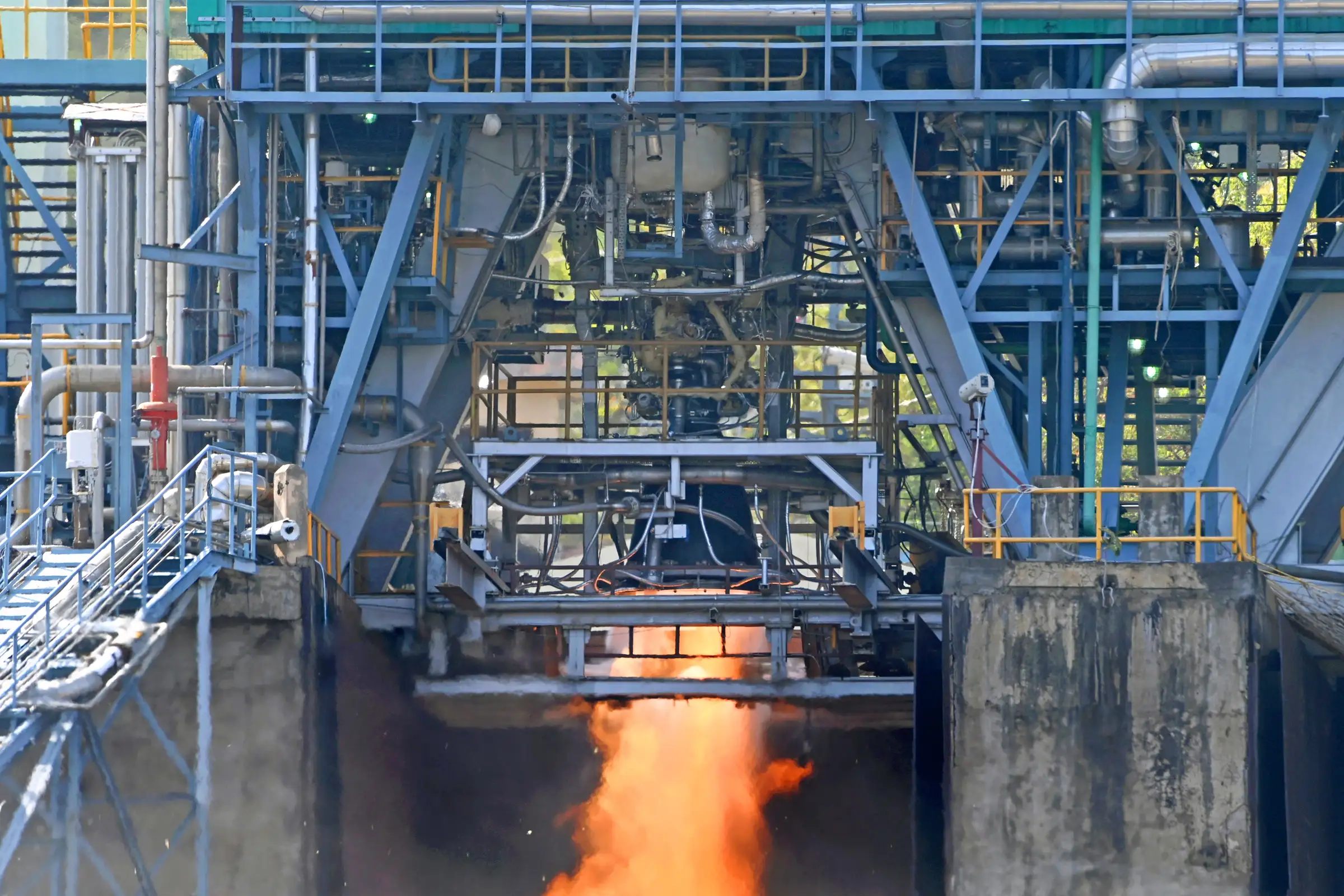
The CE-20 is a cryogenic rocket engine developed by the Liquid Propulsion Systems Centre of ISRO. It is designed to power the upper stage of the LVM3 (Launch Vehicle Mark 3). It is the first indigenous cryogenic engine to use a gas-generator cycle. It burns liquid hydrogen (LH2) and liquid oxygen (LOX) at extremely low temperatures.
Quick answer
CE-20 Cryogenic Engine is a propulsion technology associated with ISRO. India's largest indigenous cryogenic rocket engine developed by LPSC to power LVM3's upper stage. Status: operational.
CE-20 Cryogenic Engine: key facts
| Category | Propulsion |
|---|---|
| Status | Operational |
| Organisation | ISRO |
| Indigenous | Yes |
| First tested | 28 April 2015 |
| Operational since | 5 June 2017 |
External References
Frequently asked questions
What is CE-20 Cryogenic Engine?
CE-20 Cryogenic Engine is a propulsion technology associated with ISRO. India's largest indigenous cryogenic rocket engine developed by LPSC to power LVM3's upper stage. Status: operational.
Who developed CE-20 Cryogenic Engine?
ISRO is listed as the organisation behind CE-20 Cryogenic Engine.
Is CE-20 Cryogenic Engine operational?
Indian Space Hub lists its status as "operational".
Since when has CE-20 Cryogenic Engine been operational?
It is listed as operational since 5 June 2017.
When was CE-20 Cryogenic Engine first tested?
Its first test is listed as 28 April 2015.
Is CE-20 Cryogenic Engine indigenous?
Yes, it is listed as an indigenously developed technology.
Developing Organization
ISRO
View organization →