Mars Exploration: The Legacy of Mangalyaan (MOM)
Discover how India designed and executed the Mars Orbiter Mission on a shoestring budget, establishing itself as a premier interplanetary space agency.
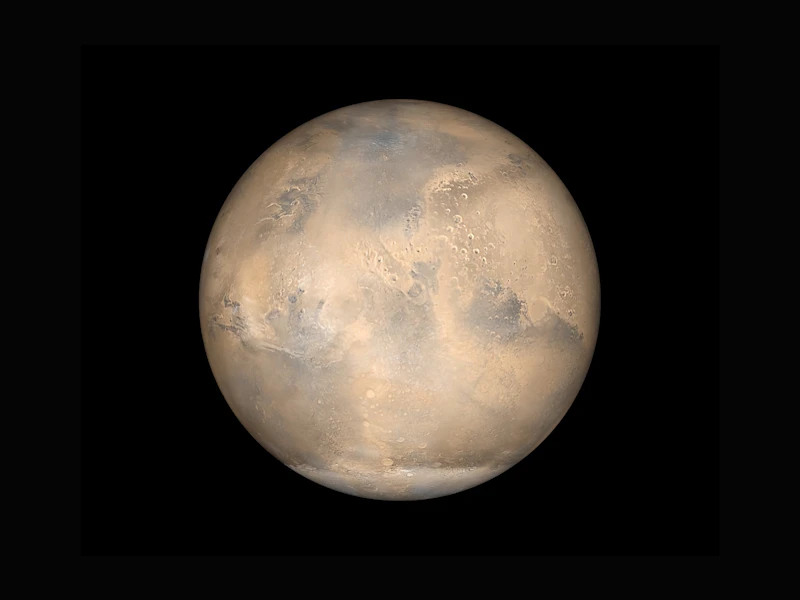
Mangalyaan: How India Reached Mars on Its First Attempt
The Mars Orbiter Mission (MOM), also known as Mangalyaan, was India's first interplanetary mission. Launched in 2013, it catapulted ISRO into an elite group of space agencies capable of navigating deep space.
1. The Slingshot Trajectory
Since India did not have its heavy LVM3 launcher fully certified in 2013, ISRO launched Mangalyaan using the smaller PSLV-XL.
- Gravity Assists: Instead of launching directly towards Mars, the spacecraft was put in a highly elliptical Earth orbit. It performed a series of carefully timed thruster burns, using Earth's gravity to slingshot itself towards the Red Planet with minimal fuel consumption.
2. Frugal Cost Structure
Mangalyaan cost ₹450 Crore (approx. $74 Million). By comparison:
- NASA's MAVEN Mars mission cost over $670 Million.
- The Hollywood movie *Interstellar* cost $165 Million to make.
ISRO achieved this via short development schedules, indigenous sub-assemblies, and limiting hardware testing cycles to highly precise computer simulations.
3. Key Scientific Instruments
- Methane Sensor for Mars (MSM): Aimed to map and track methane patterns to study geological/biological sources.
- Mars Color Camera (MCC): Relayed spectacular full-globe, high-definition visual photographs of Martian sand storms, canyons, and its moons Phobos and Deimos.
Verify Source & Full Article
This article is published on Veerexa Space Editorial. Read the live blog post on veerexa.com.